Navigating Support: When Is the Best Time to Give Gifts to a New Dad?
Bringing a new baby home is arguably one of life's most profound experiences—a mix of overwhelming joy, exhaustion, and sudden, intense love. For new fathers, this monumental shift comes with a unique set of challenges, emotional upheavals, and often, a severe lack of personal time. As friends and family prepare to Beer Gifts celebrate the newest addition, the question naturally arises: when is the best time to give gifts to a new dad? It’s not just about timing; it’s about showing support that genuinely helps, rather than adding stress to an already overflowing cup. Understanding the delicate post-partum phase allows you to move beyond generic gift baskets and instead provide thoughtful gestures of help, making your presence felt in meaningful ways.
The Delicate Landscape of Postpartum Support
The immediate weeks following a birth are often described as a fog—a mix of hormonal shifts, sleep deprivation, and the sheer magnitude of caring for a newborn. Any visitor or gift needs to navigate this delicate landscape with extreme care. We must remember that the new parents are operating on minimal reserves, much like running a marathon after having only trained for a sprint. Our goal is to be a resource, not another task list item.
Understanding Dad’s New Reality
Many people assume that if the mom is recovering, the dad must also be equally depleted. While this isn't always true—some dads are surprisingly resilient rockstars fueled by pure adrenaline—it is crucial to recognize that his role has changed drastically. He might feel sidelined, inadequate, or simply too tired to entertain guests.
A common misconception is that a gift should be grand or expensive. In reality, the most valuable gifts for a new dad often fall into the category of practicality and rest. Think less "fancy gadgets" and more "deep breaths." Rhetorically speaking, wouldn't it be better to give him an extra hour of sleep than another adorable, yet distracting, stuffed animal?
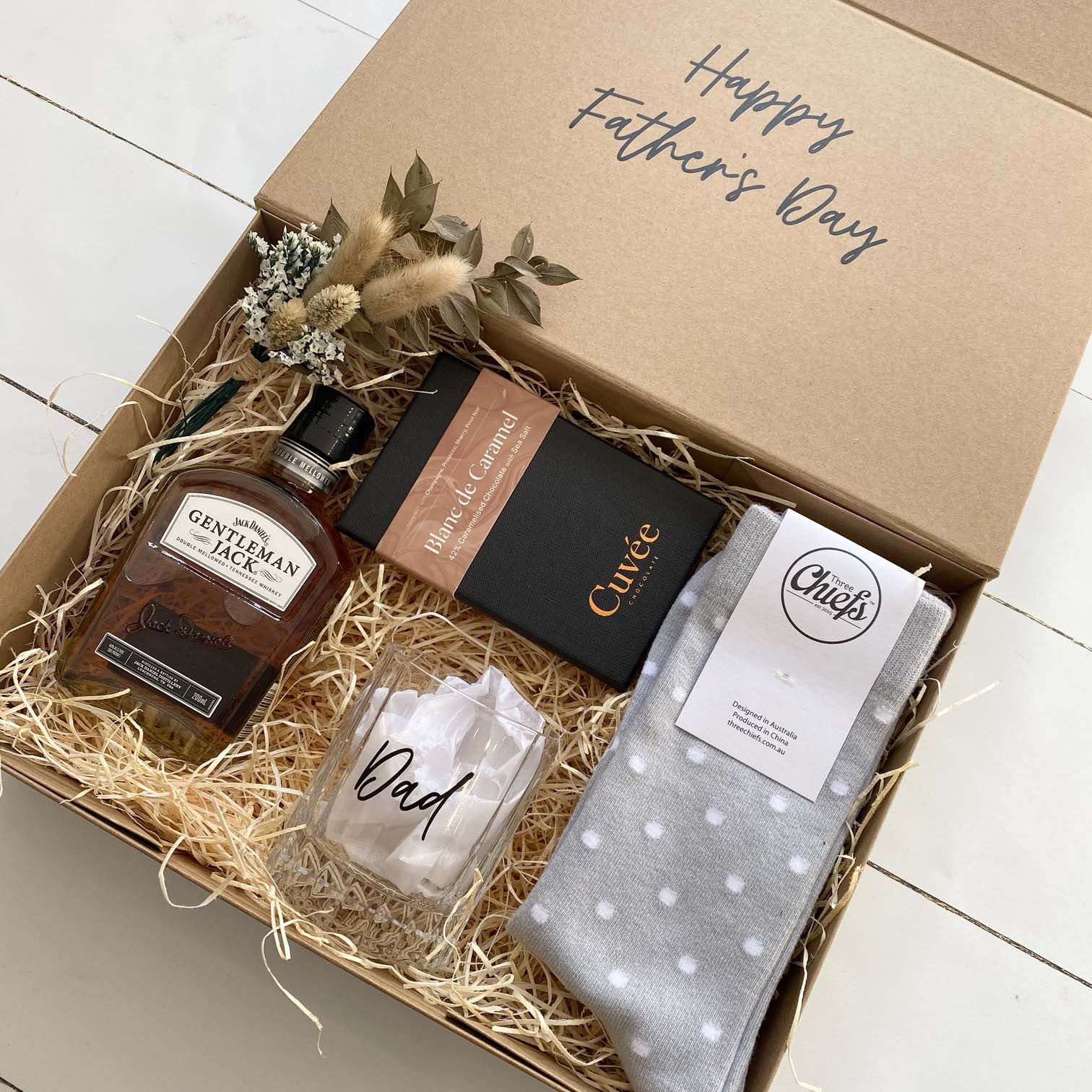
Timing Your Visit: Focusing on Low-Stress Interactions
The timing of the visit is often harder to pinpoint than the gift itself. While hospital stays are structured and exciting, home visits require much more coordination and consideration for the family’s energy levels. The general rule of thumb is that the first two weeks at home should be viewed as a recovery bubble—a period where only absolute necessities (food delivery, essential errands) should penetrate.
Early Weeks: Observation Over Obligation
In the immediate post-discharge window, gifts should primarily be non-physical acts of service or things that require zero effort from the new parents. Instead of rushing in with a basket full of goodies, consider sending an "emergency kit" delivered to their door—a meal delivery gift card, coffee pods, or pre-made snacks.
If you insist on seeing them early, remember the golden rule: ask permission and respect the answer. A simple text message asking, "Is this a bad time, or can I drop off a casserole next week?" is infinitely better than showing up unannounced, even with the best intentions.
The Sweet Spot: Weeks 3–6
The weeks following the initial bubble are often when parents start to feel slightly more settled, allowing them to process life outside of "survival mode." This period can be a good time for a low-key visit or a more substantial gift exchange. They have had enough time to get into a routine, and some of the worst exhaustion has worn off (though trust us, it never completely leaves).
This timing allows you to give gifts that require minimal interaction but high thoughtfulness—like pre-paid services (e.g., house cleaning voucher) or books/activities for the dad alone, encouraging his personal connection outside of parenting duties.
Thoughtful Gifts That Speak Volumes
When deciding what to bring, think about addressing the specific needs of a new father: nourishment, rest, and emotional acknowledgement. This is where your gift can become more than just an object; it becomes a tangible message saying, "I see you."
Focusing on Self-Care for Dad
New dads often sacrifice their own hobbies and identities at the altar of parenthood. A great gift acknowledges that he is also a person with needs beyond formula changes.

Consider items like:
- High-quality coffee or gourmet snacks: Fuel for those 3 AM wake-ups.
- Noise-canceling headphones: Giving him an hour of quiet time to listen to a podcast or just exist in silence can be revolutionary.
- Gift certificates for a massage or car wash: Practical luxuries that require no effort from either parent to schedule and enjoy.
Gifts That Ease the Load (The Service Angle)
Some of the most cherished gifts are those that save time, which is the new parents' most valuable commodity. Are you able to:
- Meal prep a week’s worth of freezer-friendly meals? This is gold.
- Do a load of laundry and fold it, waiting on their porch? The ultimate low-effort kindness.
- Run an errand (grocery shopping, pharmacy trip) while they nap? Pure magic.
As one parenting expert notes, "The best gift you can give a new parent isn't a thing; it's time—time to rest, and time to simply be." This advice should be the guiding star when determining when is the best time to give gifts to a new dad? The answer always points back toward maximizing convenience.
Making Your Selection Count: Sustaining Support Long-Term
The support doesn't end after the first month, and your gift can continue to build that supportive relationship long into the future. Instead of viewing every interaction as a one-time transaction, think about establishing an ongoing pattern of care.
A subtle call-to-action, if you are close to them, is simply offering to check in next week without being asked. "I'm running errands on Saturday; can I drop off coffee and clean up the kitchen for 20 minutes?" This proactive support is Stepdad far more valuable than any material possession.
Remember that parenting is a marathon, not a sprint. Your kindness needs to be sustained—a steady stream of small gestures rather than one massive effort. By being mindful of the timing, respecting their boundaries, and prioritizing practicality over pampering, you ensure your efforts are received not as an obligation, but as genuine love.